Origins of cross stitching...
Cross stitching is actually a form of embroidery, the most ancient one too.
At the 6th - 7th century AD,the inital purpose of cross stitching was for clothes and to decorate household items using floral and geometric patterns .
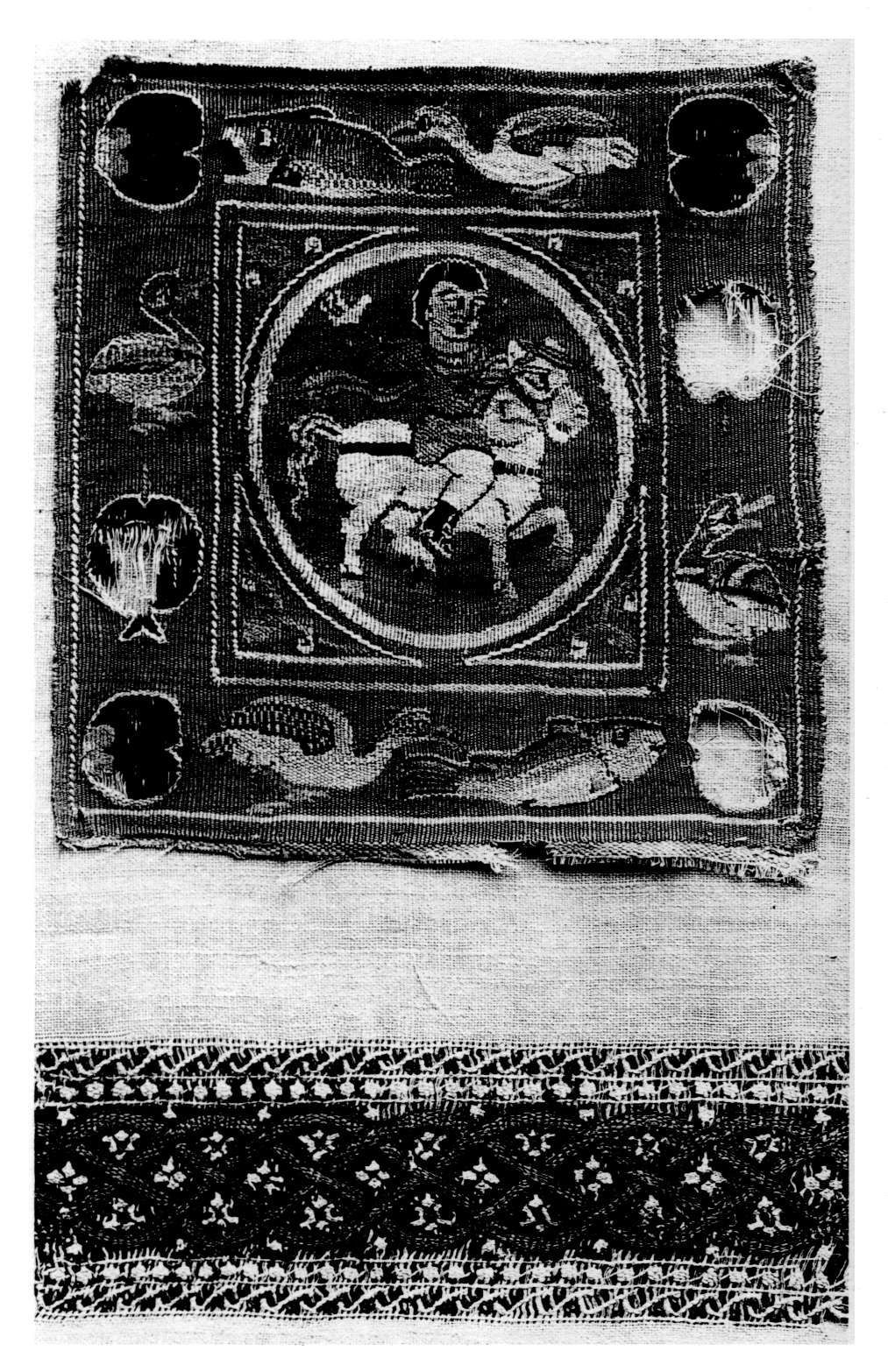
The very first masterpiece of cross stitching will be an embroidered cloth in a Coptic tomb in Upper Egypt, where it was preserved by the dry desert climate. Egyptians are known to be the pioneers of cross stitching.
Under the Tang dynasty of China(618-906 AD), the art of cross stitching flourished. It was later spread to the west side. By the 11th century, the Bayeux tapestry, was being worked.

Spain was the next one.
Under the influence of the Islamic civilisation of the Moors (756-1492), cross stitching was further developed. Also known as black work. Catherine of Aragon, the Spanish first wife of Henry VIII introduced it to England in the sixteenth century .

Followed up was Eastern Europe with the working of samplers and German's printed pattern books.
By the 17th century, samplers became a popular way to instil moral virtues, so we frequently find verses of a highly pious tone. One poor little soul was made to stitch:
Lord, look upon a little child
By nature sinful, rude and wild.
O lay thy Gracious Hand on me
And make me all I ought to be.
High infant mortality being a fact of life at the time, there is a preoccupation with death. Mourning samplers were stitched, and many verses of a lugubrious nature were incorporated into samplers.
One wonders what satisfaction, let alone pleasure, could have been derived from stitching the following:
When I am dead and in my grave
And all my bones are rotten,
By this may I remembered be
When I should be forgotten.
What a sad story behind cross stitching..
-Acknowledgements
~ google(Pictures)
~ Cross stitch guild









 Tuesday, December 22, 2009
 she wrote @ 12:02 AM